

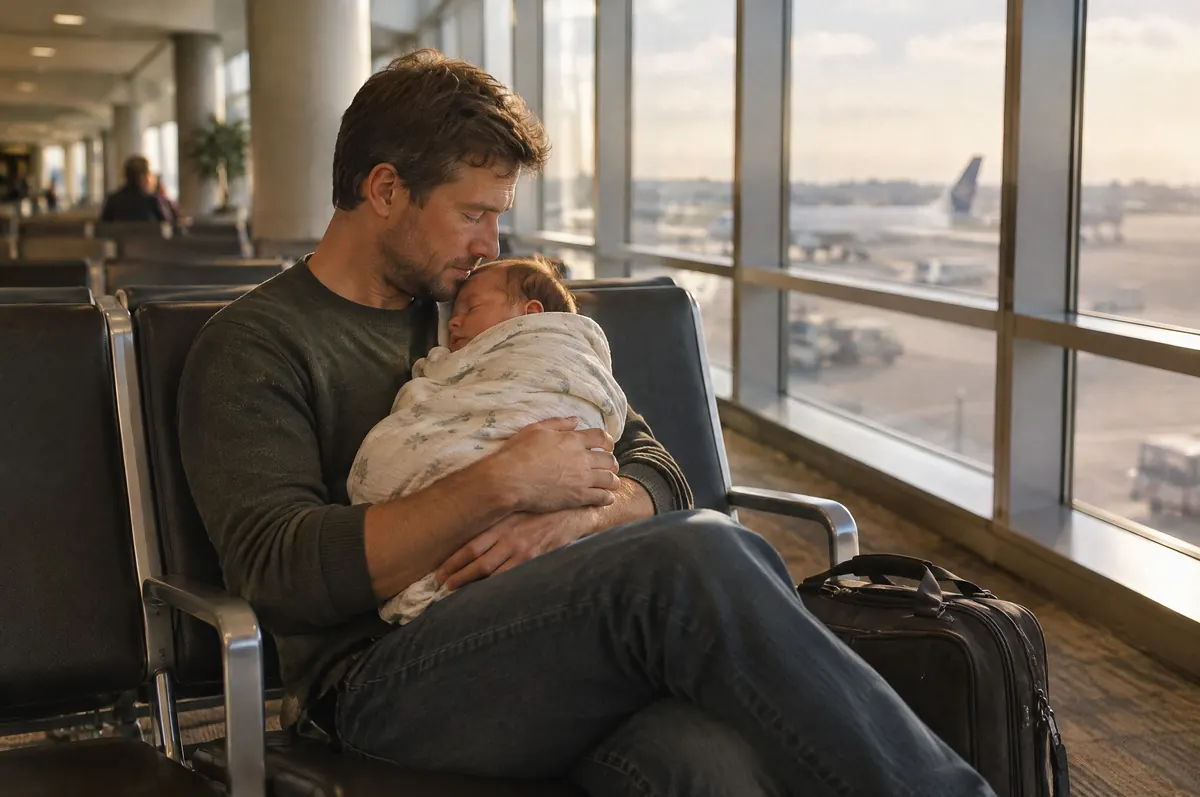
The steps before you can fly home
- A court order naming you as the parents in the country of birth.
- A local birth certificate.
- A DNA test, if the embassy asks for one.
- A Consular Report of Birth Abroad from the US embassy.
- The baby's US passport.
Who qualifies
| Your situation | Baby a US citizen at birth? |
|---|---|
| Married, one US citizen, baby genetically linked to either parent | Yes |
| Married, one US citizen, donor egg and donor sperm | Can fail |
| Unmarried, baby biologically related to the US citizen parent | Yes |
| Unmarried, baby not biologically related to the US citizen parent | No |
| One citizen parent with less than 5 years of US presence (2 after age 14) | No |
Born in the US? The steps are different and shorter: see US citizenship and passport for a US surrogacy baby.
Questions families ask
Do we need a DNA test?
Only if the embassy asks for one, but plan for it.
How long does the US embassy take?
It varies by embassy. In Mexico, parents typically stay 4 to 12 weeks after the birth for the full set of documents.
Sources
- Assisted Reproductive Technology (ART) and Surrogacy Abroad, US State Department (travel.state.gov), accessed October 2026